Top Landscaping Trends for Modern Homes
- Taneli Coleman
- Jan 7
- 4 min read
Landscaping is more than just planting flowers and mowing the lawn; it’s about creating a harmonious outdoor space that reflects your lifestyle and enhances your home’s aesthetic. As we move further into the 21st century, landscaping trends are evolving to meet the needs of modern homeowners. From sustainable practices to innovative designs, here are the top landscaping trends that are shaping the outdoor spaces of today.
Emphasis on Sustainability
One of the most significant trends in landscaping is the focus on sustainability. Homeowners are increasingly aware of their environmental impact and are seeking ways to create eco-friendly outdoor spaces. Here are some sustainable landscaping practices gaining popularity:
Native Plants: Using native plants in landscaping reduces the need for excessive watering and maintenance. These plants are adapted to the local climate and soil conditions, making them easier to care for.
Rain Gardens: These gardens are designed to capture and absorb rainwater runoff from impervious surfaces like driveways and roofs. They help reduce flooding and improve water quality.
Composting: Homeowners are turning to composting as a way to recycle organic waste and create nutrient-rich soil for their gardens.
Xeriscaping: This landscaping method involves designing gardens that require minimal irrigation. It’s particularly popular in arid regions where water conservation is crucial.
Outdoor Living Spaces
Modern homeowners are looking to extend their living spaces outdoors. Creating functional outdoor areas is a trend that enhances both the usability and enjoyment of a home. Here are some popular features of outdoor living spaces:
Patios and Decks: These structures provide a perfect spot for entertaining guests or enjoying a quiet evening. Materials like composite decking and natural stone are popular choices for durability and aesthetics.
Outdoor Kitchens: An outdoor kitchen allows homeowners to cook and dine al fresco. Features like built-in grills, refrigerators, and countertops make outdoor cooking convenient and enjoyable.
Fire Pits: Fire pits create a cozy atmosphere for gatherings and can be a focal point in the landscape. They can be built from various materials, including stone, brick, or metal.
Pergolas and Gazebos: These structures provide shade and shelter, making outdoor spaces more comfortable. They can also enhance the visual appeal of a garden.
Minimalist Designs
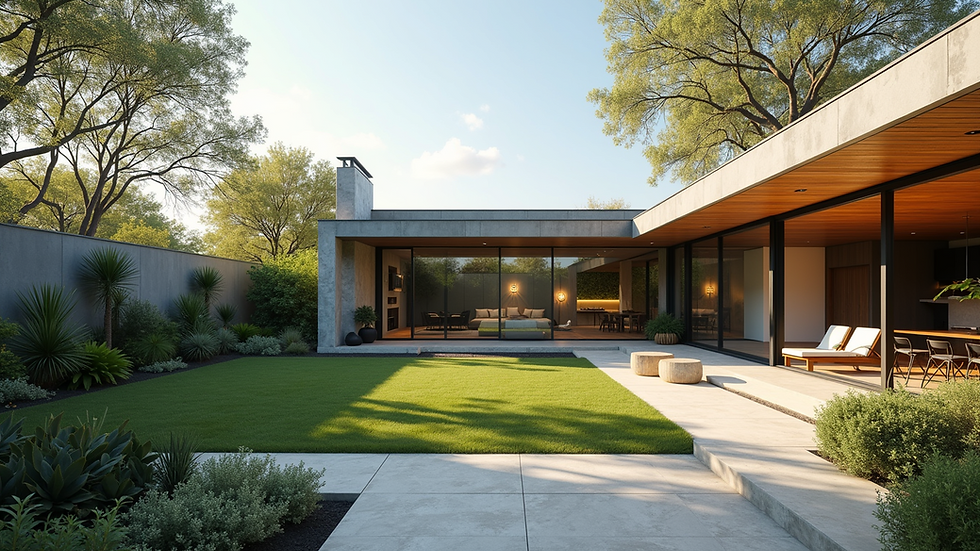
Simplicity is key in modern landscaping. Minimalist designs focus on clean lines, open spaces, and a limited color palette. This trend is characterized by:
Geometric Shapes: Using geometric shapes in garden beds, pathways, and patios creates a structured look that is visually appealing.
Limited Plant Varieties: Instead of a wide array of plants, minimalist landscapes often feature a few carefully selected species that complement each other.
Hardscaping: Incorporating hardscaping elements like stone pathways, gravel beds, and concrete features can reduce the need for plant maintenance while adding visual interest.
Smart Technology Integration
As technology advances, homeowners are incorporating smart devices into their landscaping. Smart technology can enhance the functionality and efficiency of outdoor spaces. Some examples include:
Automated Irrigation Systems: These systems can be programmed to water plants based on weather conditions, reducing water waste and ensuring plants receive the right amount of hydration.
Landscape Lighting: Smart lighting systems allow homeowners to control outdoor lighting remotely, creating ambiance and improving safety.
Garden Sensors: Soil moisture sensors can help homeowners monitor their gardens and determine when to water, promoting healthy plant growth.
Edible Landscaping
The trend of edible landscaping combines aesthetics with functionality. Homeowners are increasingly interested in growing their own food, and this trend allows them to do so without sacrificing beauty. Key elements include:
Fruit Trees and Shrubs: Incorporating fruit-bearing trees and shrubs into the landscape provides both beauty and a harvest.
Herb Gardens: Small herb gardens can be integrated into flower beds or containers, adding fragrance and flavor to meals.
Vegetable Gardens: Raised beds or vertical gardens can be used to grow vegetables in a visually appealing way, making them a part of the overall landscape design.
Water Features
Water features add tranquility and beauty to outdoor spaces. They can range from small fountains to large ponds, and they serve various purposes:
Fountains: These can be standalone features or integrated into patios and gardens. The sound of flowing water creates a calming atmosphere.
Ponds: A pond can serve as a habitat for wildlife and a focal point in the landscape. Adding aquatic plants and fish can enhance its beauty.
Waterfalls: Waterfalls can be incorporated into ponds or as standalone features. They add movement and sound to the landscape.
Vertical Gardening
As urban living spaces become smaller, vertical gardening is gaining popularity. This technique allows homeowners to maximize their gardening potential in limited spaces. Key aspects include:
Living Walls: These are vertical gardens that can be installed on walls or fences. They can be used to grow a variety of plants, including flowers, herbs, and vegetables.
Vertical Planters: These planters can be hung or stacked to create a garden that takes up minimal ground space while providing ample growing area.
Trellises: Using trellises for climbing plants can add height and interest to a garden while maximizing space.
Colorful Planting Schemes
While minimalist designs are trending, vibrant planting schemes are also making a comeback. Homeowners are embracing bold colors and textures to create visually striking landscapes. Here are some ideas:
Seasonal Blooms: Incorporating plants that bloom at different times of the year ensures that the landscape remains colorful throughout the seasons.
Contrasting Textures: Mixing plants with different leaf shapes and textures can create a dynamic and engaging garden.
Color Theory: Understanding color theory can help homeowners choose plant combinations that complement each other and enhance the overall aesthetic.
Conclusion
Landscaping trends are evolving to reflect the needs and desires of modern homeowners. From sustainable practices to the integration of technology, these trends are shaping the way we design and enjoy our outdoor spaces. Whether you’re looking to create a serene retreat, an entertaining area, or a productive garden, there are countless ways to enhance your home’s landscape. Embrace these trends to create an outdoor space that is not only beautiful but also functional and sustainable.
As you consider your landscaping options, think about how these trends can be incorporated into your own yard. Start small, experiment with different elements, and watch your outdoor space transform into a reflection of your style and values.


Comments